
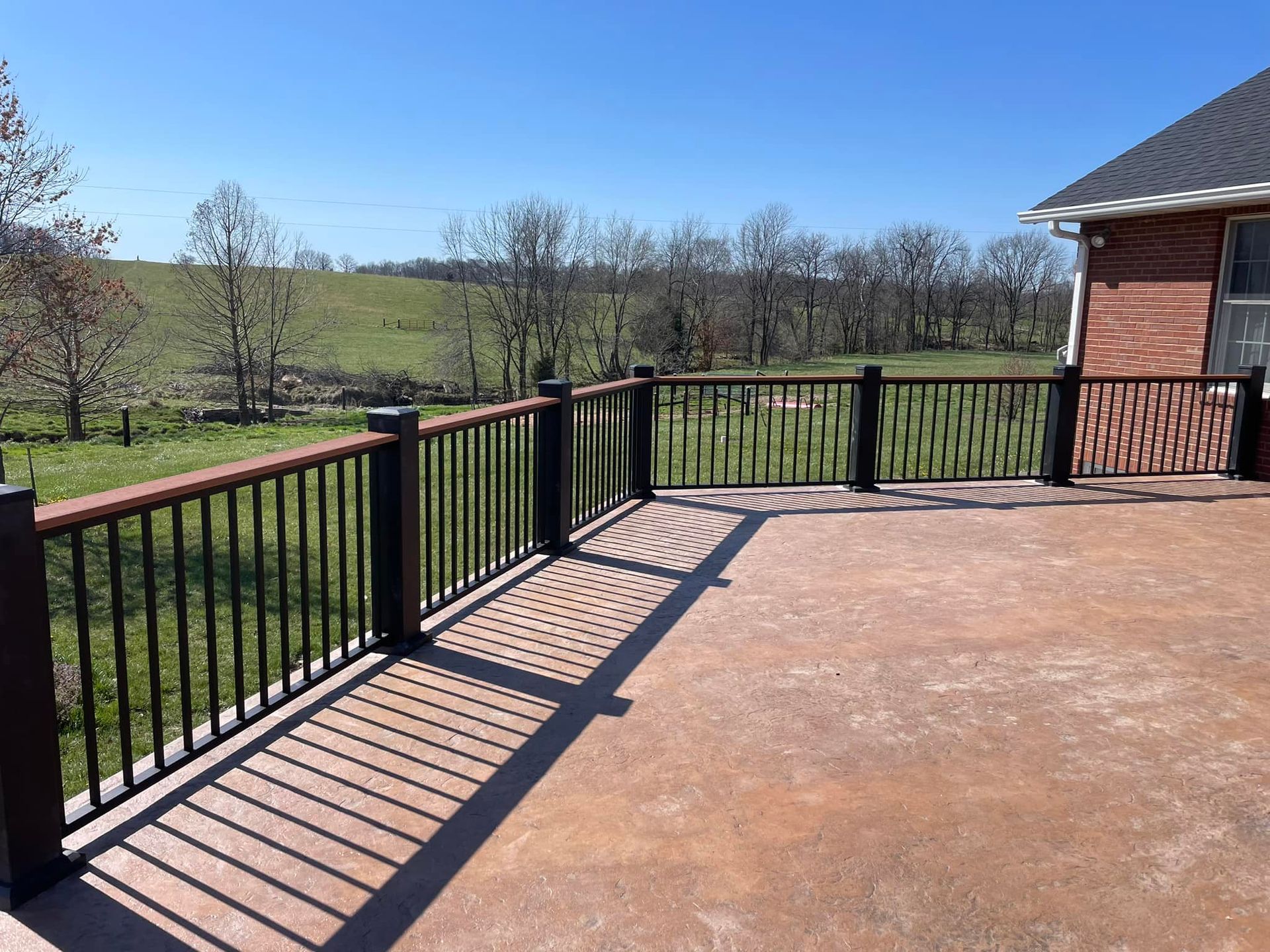
Fencing That Defines and Protects Your Property
Residential Fencing Services in Perryville for backyard privacy, pool enclosures, and property line definition
Mueller Fencing and Supplies installs residential fencing across properties in Perryville, Farmington, St. Genevieve, and surrounding areas, where homeowners need clear boundaries, secure play areas, or screening from neighboring lots. You receive fencing designed around your property layout, whether that involves sloped terrain, corner lots with multiple street exposures, or backyards backing onto commercial zones. The installation accounts for setback requirements, utility easements, and sight line considerations that affect fence placement and height.
The work begins with measuring your property lines and identifying grade changes, drainage patterns, and existing landscape features that influence post placement and panel configuration. Wood fencing uses pressure-treated posts set in concrete below the frost line, with rails and pickets fastened to resist Missouri wind loads and seasonal moisture cycles. Vinyl systems interlock at reinforced joints and include aluminum reinforcement channels in longer panel runs to prevent sagging. Decorative styles incorporate lattice tops, scalloped edges, or board-on-board patterns that add visual interest while maintaining the primary function of privacy or containment.
Schedule a property consultation to review fence styles suited to your yard conditions and intended use.
What Proper Residential Fencing Requires
Residential fence installation involves marking exact property corners using survey pins or plat maps, then laying out post locations at intervals that match panel dimensions and structural requirements. Posts are set to depth specifications that account for soil composition and freeze-thaw action common in southeast Missouri, with concrete footings poured to anchor each post against lateral forces. Rails are leveled across grade changes using stepped or racked panel configurations, and fasteners are selected based on material type to prevent corrosion or wood splitting over time.
Once the fence is complete, you'll notice defined space separation that changes how your yard functions for outdoor activities, pet containment, or seasonal equipment storage. Privacy panels block sight lines from adjacent properties, reducing noise transmission and creating enclosed areas suitable for patios or above-ground pools. The fence line establishes a clear boundary that discourages foot traffic across your property and provides a backdrop for landscaping beds or climbing plants.
Residential fencing includes gate installation with hinges and latches sized for the gate width and daily use frequency, but separate access control hardware like keypads or automatic openers are added based on homeowner preference. Post caps and trim boards are included with most installations to protect end grain from moisture entry, and staining or sealing of wood fencing is scheduled after the lumber cures for several weeks following installation.
These questions address common considerations for residential fence projects and what affects planning and installation.
What Homeowners Usually Ask
How is fence height determined for residential properties?
Local regulations typically limit residential fence height to four feet in front yards and six feet in rear and side yards, though these limits vary based on zoning classifications and whether the property sits on a corner lot with two street-facing sides.
What distinguishes wood fencing from vinyl in terms of maintenance?
Wood fencing requires periodic staining or sealing to prevent moisture absorption and UV degradation, with retreatment intervals depending on sun exposure and finish type, while vinyl fencing resists fading and moisture damage but can become brittle in extreme cold or crack under impact.
When should fence installation be scheduled relative to landscaping work?
Fencing is typically installed after grading and drainage work are complete but before final landscaping, allowing post holes to be dug without disturbing planted beds while giving you a defined perimeter to work within when planning garden layouts.
How does terrain affect fence installation in Perryville?
Sloped lots require either stepped panels that create a stair-step appearance or racked panels that follow the grade at an angle, with post heights adjusted to maintain consistent top rail elevation or match the slope depending on the chosen approach.
What preparation is needed before installation begins?
You should locate underground utilities through a utility marking service, clear vegetation along the planned fence line, and verify property boundaries using survey documents to avoid encroaching on neighboring lots or public easements.
Mueller Fencing and Supplies provides residential fencing solutions tailored to property layout and homeowner priorities. Request an estimate to evaluate fence options based on your yard dimensions and usage requirements.