
Permanent Boundaries Installed to Last Decades
Fence Installation in Perryville for new construction, property division, and replacement of failing fencing systems
Fence installation involves more than setting posts and attaching panels—proper execution accounts for soil bearing capacity, frost heave potential, and lateral wind forces that vary across different fence heights and panel styles. Mueller Fencing and Supplies completes fence installation from initial layout through final adjustments, addressing site-specific conditions like clay soil expansion, rocky substrate that requires augered holes, or high water tables that affect footing stability. The process includes marking property boundaries, confirming utility clearances, and adjusting post spacing to accommodate terrain features without compromising structural integrity.
Installation begins with property line verification using survey stakes or legal descriptions, followed by string line layout to establish fence alignment and identify elevation changes that require stepped or racked panel configurations. Post holes are excavated to depth specifications that extend below the frost line typical for southeast Missouri, with diameters sized to provide adequate concrete coverage around each post. Concrete is mixed to proper consistency and poured in stages to eliminate voids, with posts braced plumb until the concrete cures. Rails are attached using fasteners appropriate for the material type, and panels or pickets are installed with consistent spacing and alignment checked across the entire run.
Schedule installation services to establish fencing that matches your property layout and functional requirements in Perryville, Farmington, Jackson, and surrounding areas.
What You Notice Once Installation Is Finished
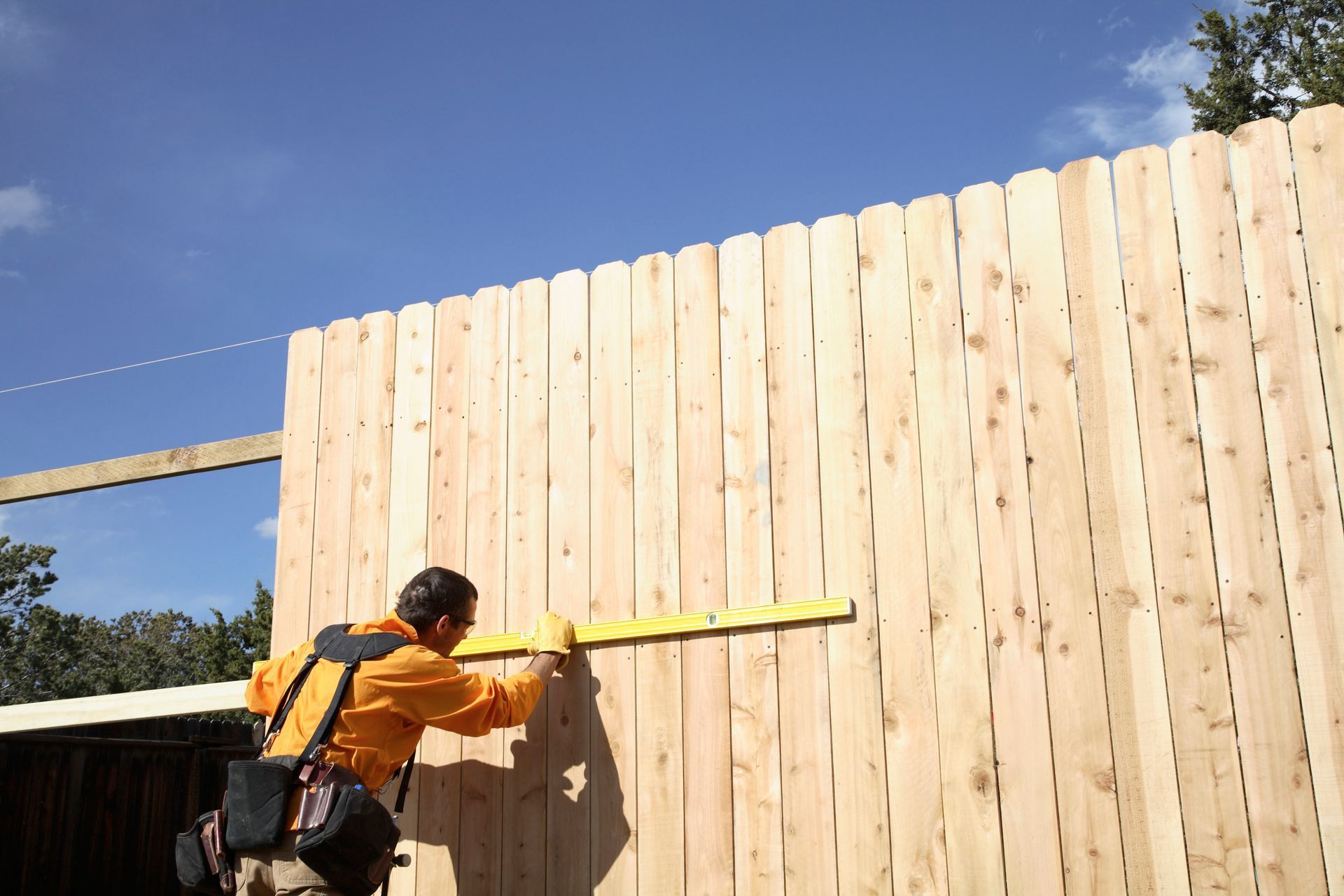
Fence installation follows a sequence that includes excavation, post setting, concrete curing, rail attachment, and panel installation, with each stage requiring specific tools and techniques to maintain alignment and structural integrity. Posts are set using levels and braces to ensure vertical plumb in two directions, preventing lean that would transfer stress unevenly across rail connections. Panel sections are measured and cut to fit gate openings or terminal points, with caps and trim applied to protect exposed end grain or post tops from moisture infiltration.
Once installation is complete, you'll see a continuous fence line that defines property boundaries without gaps or misaligned sections, with gates swinging freely on hinges adjusted for proper clearance and latch engagement. The posts remain rigid under lateral pressure, indicating secure footing and proper concrete consolidation. Panels maintain consistent height above grade even across sloped terrain, with either uniform steps or angled racks depending on the installation method selected during planning.
Fence installation includes cleanup of excavated soil and concrete residue, with disturbed ground raked smooth along the fence line to facilitate grass regrowth or mulch placement. The installation does not include landscape restoration beyond basic grading, so homeowners scheduling fence work before final landscaping avoid duplicated effort. Gate hardware comes installed and adjusted, but additional features like spring closers or electronic locks are added based on specific requests during project planning.
Installation questions often focus on site preparation, timing factors, and what the process involves from start to finish.
Common Questions About This Service
What site preparation is required before fence installation begins?
The fence line should be cleared of vegetation, debris, and obstacles that would interfere with post hole digging, and underground utilities must be marked to prevent damage during excavation.
How does soil type affect fence installation methods?
Clay soils common in the Perryville area expand and contract with moisture changes, requiring deeper post embedment and sometimes gravel backfill to improve drainage, while rocky soils may need augered holes or post-driving equipment to achieve proper depth.
When is the best time to schedule fence installation?
Installation can occur year-round, but spring and fall offer moderate temperatures and drier ground conditions that simplify excavation and concrete work, while frozen ground in winter or saturated soil after heavy rains complicates digging and footing stability.
What determines post spacing during fence installation?
Post spacing depends on panel width for pre-fabricated sections or structural requirements for site-built fencing, with closer spacing needed for taller fences or areas with higher wind exposure to maintain rigidity.
How long does concrete need to cure before fence panels are attached?
Concrete footings require at least 24 to 48 hours to cure sufficiently for rail and panel installation, though full strength develops over several weeks, so avoiding lateral stress on new posts during the initial curing period prevents post movement.
Mueller Fencing and Supplies manages fence installation across residential, commercial, and rural properties throughout the region. Contact us to arrange an installation consultation based on your property characteristics and project timeline.