
Security Systems Built for Business Properties
Commercial Fencing Services in Perryville for facility security, access control, and property perimeter definition
Commercial properties in Perryville, Cape Girardeau, Chester, IL and surrounding areas face security challenges that include after-hours access, inventory protection, and liability management across parking areas and storage yards. Mueller Fencing and Supplies installs commercial fencing systems designed to control entry points, deter unauthorized access, and withstand impact from vehicles, equipment, or forced entry attempts. These installations differ from residential projects in panel gauge, post spacing, and foundation depth, with specifications adjusted for the property's security level, traffic volume, and insurance requirements.
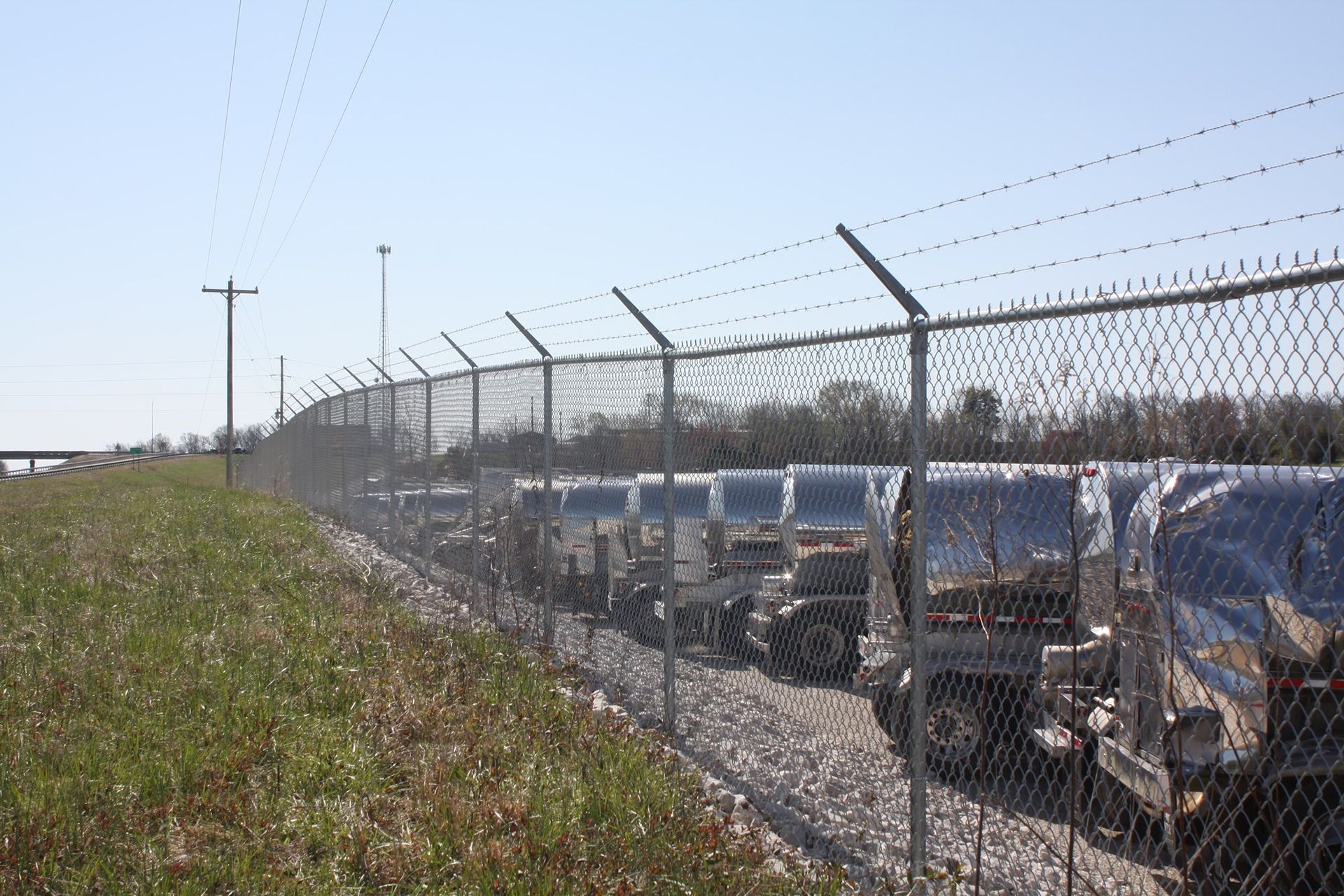
Chain link fencing uses heavier gauge wire for commercial applications, with top rail diameter and mesh size selected based on climb resistance and visibility needs—tighter mesh for complete screening or standard diamond pattern where visibility aids surveillance. Steel fencing systems incorporate welded or bolted vertical pickets with minimal spacing to prevent passage while maintaining sight lines for security monitoring. Post embedment reaches deeper than residential standards to resist leverage attempts, and gate frames are reinforced with diagonal bracing or box tube construction to handle repeated opening cycles and resist sagging.
Request a project assessment to review fencing specifications that align with your facility's security and operational needs.
How Commercial Fencing Addresses Security
Commercial fence installation begins with site evaluation to identify vulnerable access points, determine sight line requirements for surveillance equipment, and locate underground utilities that affect post placement along property boundaries or interior lot divisions. Posts are set in concrete piers extending below frost depth, with footing dimensions calculated based on fence height and wind load ratings for the region. Gate openings are sized to accommodate delivery vehicles, equipment trailers, or emergency access, with hardware selected for durability under high-cycle use and compatibility with electronic access systems.
After installation, your property gains defined perimeters that direct foot and vehicle traffic through controlled access points, reducing unauthorized shortcuts across parking areas or loading zones. The fencing creates secure enclosures for outdoor storage, equipment staging, or material stockpiles, separating these areas from public access and reducing theft or vandalism risk. Gate systems with locking mechanisms or automated controls allow you to manage entry during business hours while maintaining full closure after hours.
Commercial fencing projects may include barbed wire or razor ribbon along top rails where maximum security is required, but these additions require specific property use classifications and are typically limited to industrial zones or high-security facilities. Windscreen fabric or privacy slats can be woven through chain link mesh to block visibility into the property while reducing wind load on the fence structure.
Business owners typically ask about specifications, timelines, and what commercial fencing includes for different facility types.
Answers to Frequent Service Questions
What determines the appropriate fence height for commercial properties?
Fence height depends on the security level required, with standard commercial installations ranging from six to eight feet, though facilities handling high-value inventory or hazardous materials may require ten to twelve-foot fencing with additional deterrents along the top rail.
How long does commercial fence installation take for a typical facility?
Installation duration depends on perimeter length, terrain complexity, and gate quantity, with straightforward projects on level ground completing in several days while larger sites with multiple access points and varied elevation may require one to two weeks.
What compliance considerations affect commercial fencing in Perryville?
Commercial fencing must meet setback requirements from property lines and rights-of-way, maintain visibility triangles at driveway intersections, and comply with height restrictions in specific zoning districts, particularly near residential boundaries.
How does gate automation integrate with commercial fencing?
Automated gates require dedicated posts with reinforced footings to support operator weight and resist lateral forces from the opening mechanism, plus electrical service for the operator and optional access control keypads or card readers.
What maintenance does commercial fencing require over time?
Chain link fencing requires periodic inspection of tension wire and fabric connections, with rust treatment applied to scratched or abraded areas, while steel fencing needs annual checking of weld joints and fasteners with touch-up painting to prevent corrosion from spreading.
Mueller Fencing and Supplies handles commercial fencing projects across varying scales and security requirements. Schedule a site review to outline fencing solutions based on your property configuration and access management priorities.