
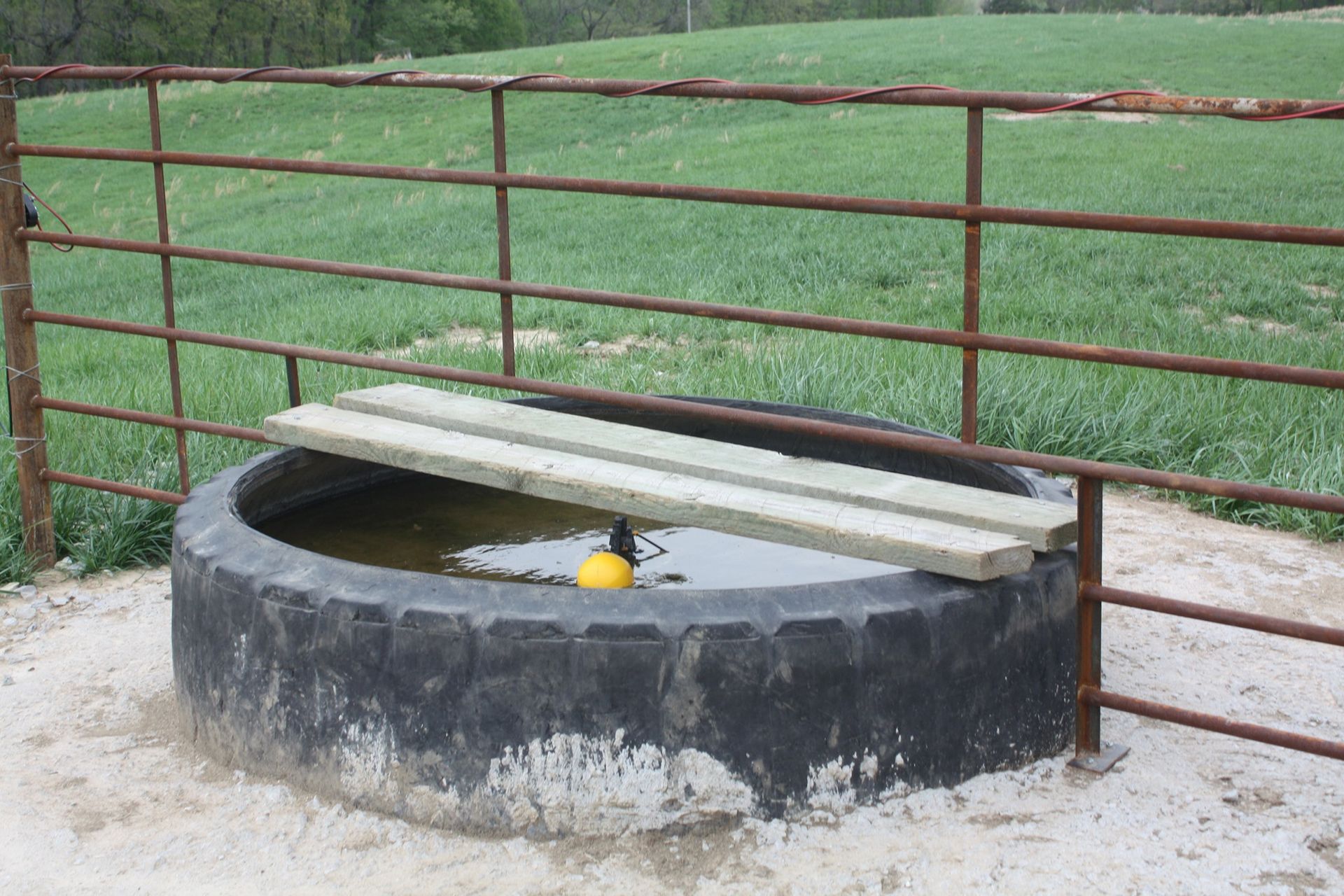
Water Access That Operates Without Daily Intervention
Livestock Watering Systems in Perryville for farms and pastures requiring consistent animal hydration
Livestock productivity depends on reliable water access, and manual tank filling becomes a daily burden that consumes time and risks water shortages during equipment failure or extreme weather. Mueller Fencing and Supplies installs livestock watering systems using Gallagher products, which automate water delivery to troughs and reduce the physical labor and monitoring required to maintain hydration for cattle, horses, or other livestock on agricultural properties in Perryville, St. Genevieve, Jackson, and surrounding areas. These systems are designed for farms and pastures where animals are spread across multiple paddocks or where seasonal temperature swings affect water availability.
Installation involves running water lines from a source such as a well or municipal connection, placing troughs or automatic waterers in paddocks or along fence lines, and incorporating freeze-resistant components in climates where winter temperatures drop below freezing. Gallagher systems include float valves that maintain consistent water levels without overflow and durable trough materials that withstand livestock impact and outdoor exposure year-round.
Request system recommendations and installation details to reduce daily watering tasks and improve livestock care efficiency.
What Changes After Watering Systems Are Installed
The watering system setup begins with mapping pasture layout and identifying optimal trough locations based on herd movement patterns and proximity to water supply lines. Trenches are dug for buried piping to prevent freeze damage and tripping hazards, and connections are made to the source with pressure regulation to ensure consistent flow. Gallagher automatic waterers are positioned at heights and locations accessible to livestock without creating mud zones or traffic bottlenecks during peak drinking times.
After the system is operational, you will notice troughs remain filled without manual intervention, livestock have access to clean water throughout the day, and time previously spent hauling water or monitoring tank levels is eliminated. Freeze-resistant models continue functioning during Missouri winter conditions, and durable construction withstands repeated animal contact without cracking or leaking.
Watering systems can be expanded as herd size grows or pasture rotation changes, with additional trough points added by extending supply lines. Systems are designed to handle varying water demand across seasons and integrate with fencing layouts to keep water points accessible within rotational grazing paddocks.
Property owners managing livestock operations frequently ask about system capacity, winter performance, and maintenance requirements before committing to installation.
Common Questions About This Service
How do Gallagher automatic waterers prevent freezing in winter?
Gallagher systems incorporate insulated housings and thermostatically controlled heating elements that activate when temperatures approach freezing, keeping water liquid and accessible even during prolonged cold snaps common to Perryville winters.
What water source works best for livestock watering systems?
Systems can connect to wells, municipal water lines, ponds with filtration, or storage tanks, though well water is most common on agricultural properties and requires adequate flow rate to keep multiple watering points supplied during peak demand periods.
How many watering points are needed for a typical cattle herd?
Watering point quantity depends on herd size and pasture layout, but a general guideline is one trough per 20 to 30 head of cattle to prevent overcrowding and ensure subordinate animals access water without competition from dominant herd members.
Can watering systems be installed in pastures far from existing water lines?
Remote pasture locations can be served by extending buried water lines from the main source, or by using well-fed systems drilled on-site if distance and terrain make long pipe runs impractical or cost-prohibitive.
What maintenance does an automated livestock watering system require?
Maintenance includes periodic inspection of float valves for debris buildup, checking heating elements before winter, flushing lines to remove sediment, and ensuring trough drainage prevents algae growth or stagnant water during low-use periods.
Mueller Fencing and Supplies is an authorized Gallagher dealer and installs watering systems tailored to your farm's specific livestock count, pasture configuration, and water source availability. Contact the team to discuss system design and installation scheduling for your operation.