
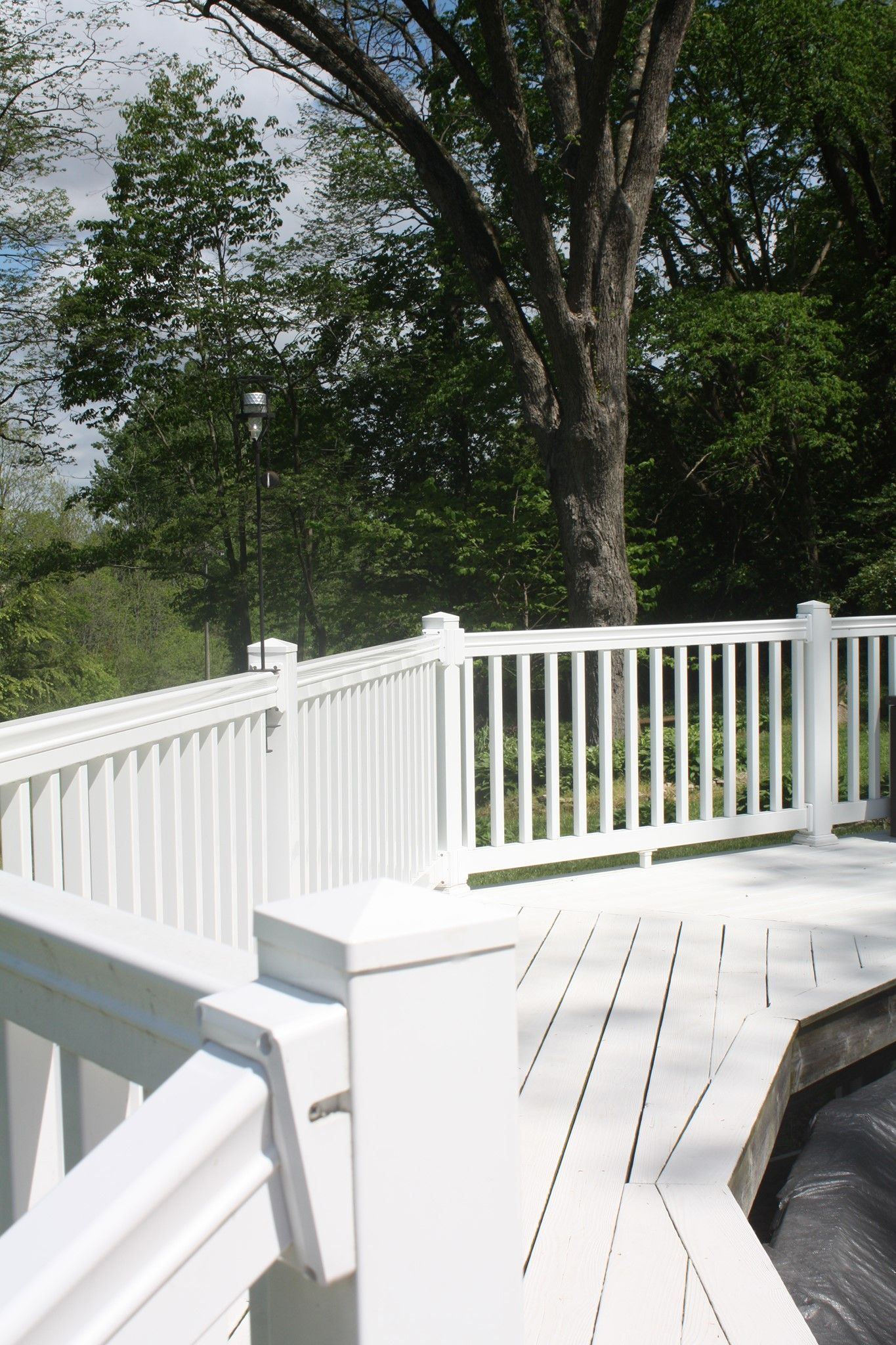
Fixing Structural Failures Before They Spread
Fence Repairs in Perryville for damaged panels, leaning posts, and deteriorating components that compromise function
A leaning fence post indicates footing failure from frost heave, soil erosion, or inadequate initial embedment depth. Mueller Fencing and Supplies repairs fencing damage caused by weather events, ground movement, impact damage, or material deterioration that occurs over years of exposure. Repair work addresses the underlying cause rather than simply reattaching loose components—a sagging gate suggests hinge failure or post lean, both of which require structural correction rather than hardware adjustment alone. The assessment identifies whether isolated repairs restore function or whether accumulated damage across multiple sections makes partial replacement more cost-effective than continued patching.
Repairs begin with inspection to determine the extent of damage and whether issues stem from installation defects, material failure, or external forces like falling tree limbs or vehicle impact. Post repairs involve excavating around the affected post, re-establishing plumb alignment, and pouring new concrete to restore footing integrity. Panel replacement removes damaged sections and installs matching materials, with attention to consistent staining or finish to blend with existing fencing. Structural reinforcement adds bracing or replaces undersized components that flex under load, preventing recurrence of the original problem.
Request an inspection or repair quote to evaluate damage and outline solutions that restore your fence's function and appearance in Perryville, Chester, IL, and surrounding areas.
What Fence Repairs Actually Accomplish
Fence repair techniques vary based on damage type and severity, with methods ranging from fastener replacement and board swapping to full post extraction and re-setting. Rotted wood at ground level is cut above the decay and reinforced with sister posts or metal brackets that transfer load to sound material, extending service life without replacing the entire post. Bent chain link fabric is re-stretched using come-along tools and secured to the framework with new tension wire, restoring the taut appearance and eliminating sagging that creates gaps at ground level.
After repairs, your fence regains its intended rigidity, with posts standing vertical and panels aligned without gaps or loose sections that compromise privacy or security. Gates close properly and latch without binding, indicating that hinge posts are plumb and frame corners are square. The repaired sections match surrounding fence in height and alignment, maintaining the continuous appearance of an intact perimeter rather than a patched assembly.
Fence repairs focus on structural and functional restoration, but cosmetic upgrades like staining, painting, or decorative element addition are handled separately unless they're integral to protecting repaired components from further weather damage. The cost of repairs depends on the number of affected sections, accessibility for equipment, and whether matching materials are readily available or require custom ordering to match older fence styles.
Repair decisions often involve weighing the cost of fixing existing fencing against replacement, and understanding what drives those trade-offs.
Questions Before Starting Your Project
How do you determine whether repair or replacement makes more sense?
Repairs are cost-effective when damage is localized to a few sections and the remaining fence remains structurally sound, but widespread rot, multiple leaning posts, or obsolete materials that no longer match may justify full replacement instead of extensive patchwork.
What causes fence posts to lean over time?
Posts lean when footings are too shallow for frost penetration depth, when surrounding soil erodes and leaves voids around the concrete, or when lateral forces from wind or impact exceed the footing's resistance capacity, all of which are more common in clay soils that expand and contract seasonally.
How quickly should fence damage be repaired after occurring?
Prompt repair prevents secondary damage—a leaning post stresses adjacent sections and can pull rails loose or crack connecting brackets, while a missing panel allows animals through and exposes interior posts to weather from directions they weren't designed to shed.
What types of fence damage occur most often in the Perryville area?
Wind damage from storms, wood rot at ground contact points due to moisture retention in clay soils, and post heave from freeze-thaw cycles represent the most common repair triggers, along with impact damage from falling branches during ice storms.
Can individual fence pickets or boards be replaced without affecting surrounding sections?
Individual board replacement works when the rails and posts remain sound, with new boards cut and fastened to match existing spacing and attachment methods, though stain or paint matching requires weathering time before the new material blends visually.
Mueller Fencing and Supplies provides fence repair services that address structural issues and extend the functional life of existing installations. Reach out to discuss specific damage and explore repair options suited to your fence's condition and age.