
Custom Designs That Match Your Property
Privacy and Specialty Fencing in Perryville for outdoor living areas, unique architectural styles, and enhanced property aesthetics
Southeast Missouri properties vary in architecture from traditional ranch layouts to contemporary designs with open floor plans extending into outdoor spaces, and fencing that complements these styles requires customization beyond standard panel configurations. Mueller Fencing and Supplies designs privacy and specialty fencing tailored to individual property characteristics, using materials and patterns selected for their visual contribution as well as their functional role in screening, wind buffering, or spatial definition. Customization accounts for existing landscape features, architectural details like exterior trim profiles, and how the fence integrates with patios, pergolas, or pool surrounds rather than simply running along property lines.
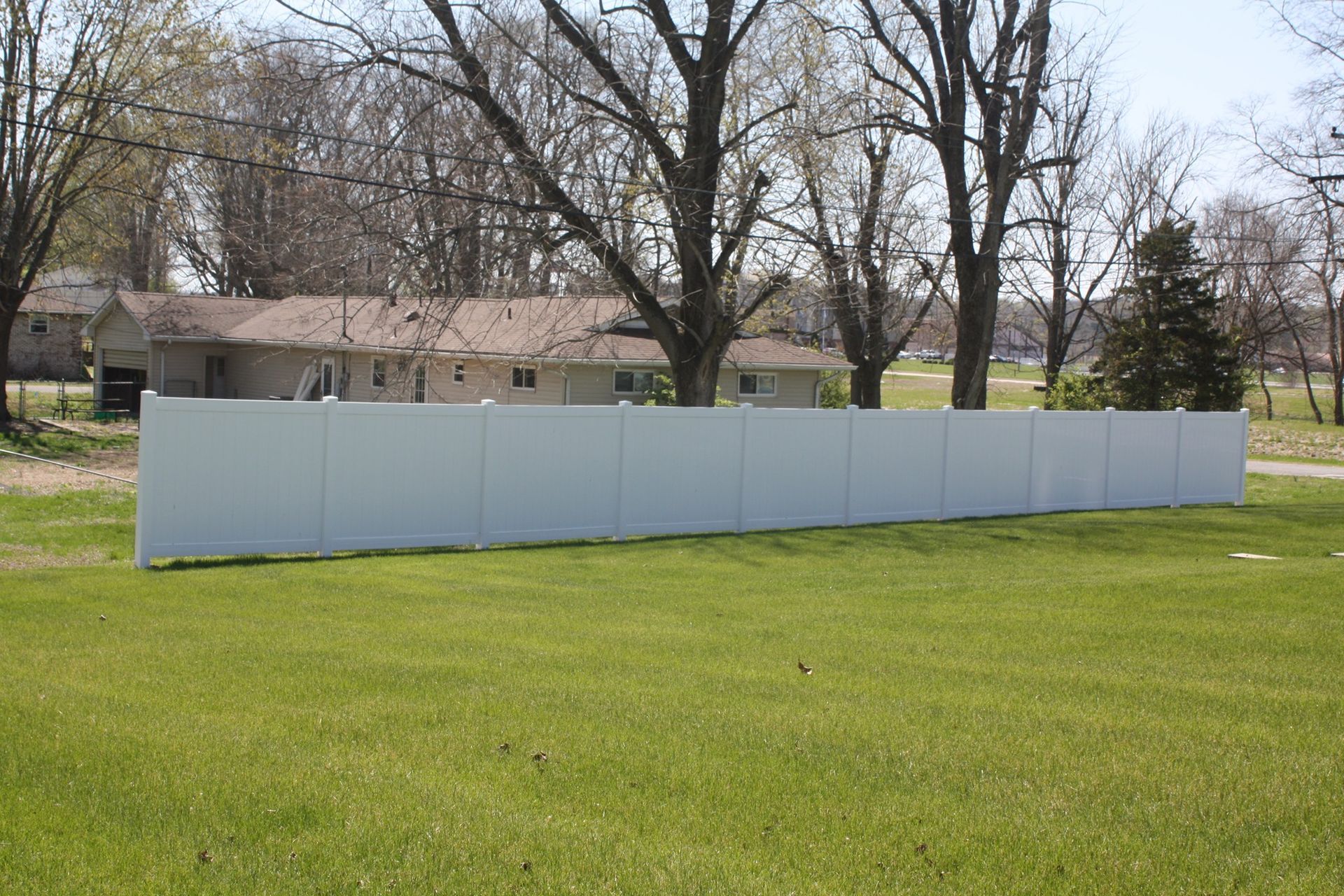
Privacy fencing uses board-on-board construction, shadowbox patterns, or solid panel styles that eliminate sight lines while allowing air circulation to reduce wind resistance and prevent panel blowout during storms. Specialty designs incorporate decorative elements like lattice inserts, scalloped or arched top rails, and post caps in materials ranging from wood finials to metal or composite accents. Material selection considers maintenance preferences, with vinyl or composite options requiring no refinishing while offering consistent color and texture, versus wood species like cedar or treated pine that accept stains and allow for color changes over time.
Explore custom fencing options through a design consultation that reviews material choices and style configurations for your property in Perryville, Jackson, St. Genevieve, and surrounding areas.
The Difference Between Standard and Custom Fencing
Specialty fence design begins with understanding how you use outdoor spaces and what visual or functional problems the fencing should solve, whether that involves blocking a specific sight line to a neighboring structure, creating backdrop for garden beds, or establishing a formal entry transition from driveway to front door. Design options include varied board widths and spacing to create shadow patterns, mixed materials that combine wood frames with metal infill panels, or horizontal slat orientations that contrast with traditional vertical picket layouts. Gate design receives similar attention, with styles ranging from simple passage gates to accent gates with decorative hardware, arched tops, or integrated planters.
Once specialty fencing is installed, you'll notice how it defines distinct zones within your property—an enclosed patio becomes a room-like space rather than an exposed slab, and side yards transform from neglected pass-throughs into usable areas for storage or gardening. The fencing provides privacy that makes outdoor spaces more comfortable for dining or relaxation without feeling overlooked by neighbors, and decorative details add visual interest that complements your home's exterior rather than presenting a utilitarian barrier.
Specialty fencing projects often coordinate with other exterior work like deck construction, landscape installation, or pool builds, requiring installation timing that accommodates access needs for equipment and materials. Custom designs may involve longer lead times for material sourcing compared to standard fencing, particularly when matching specific wood grades, colors, or hardware finishes that aren't stocked locally.
Custom fencing questions typically address design options, material performance, and how specialty features affect cost and maintenance.
What Property Owners Usually Ask
What makes privacy fencing more effective than standard fence styles?
Privacy fencing uses tighter board spacing or overlapping patterns that eliminate gaps, blocking sight lines completely, while standard fencing often includes spacing between pickets that allows partial visibility and reduces material cost but sacrifices screening effectiveness.
How does board-on-board construction differ from solid panel fencing?
Board-on-board fencing alternates boards on opposite sides of the rails with slight overlap, creating a fence that appears solid from both sides while allowing limited air passage to reduce wind load, whereas solid panel fencing mounts all boards on one side and presents a finished face in one direction only.
What decorative elements can be incorporated into custom fence designs?
Decorative options include lattice toppers that add height without creating a solid wall effect, post caps in varied materials and profiles, scalloped or arched top rails that break up horizontal lines, and mixed materials like wood frames with metal or composite infill panels.
How do material choices affect the appearance and longevity of specialty fencing in Perryville?
Wood fencing develops a weathered patina unless regularly stained, with appearance changing over time, while vinyl and composite materials maintain consistent color and texture but offer limited color selection compared to stained wood, and each material responds differently to UV exposure and temperature extremes common in the region.
When should specialty fencing be designed around existing landscape features?
Fencing designed before landscaping allows flexible placement and height selection, but when mature trees, established beds, or hardscaping already exist, custom fencing works around these features by adjusting panel heights, incorporating cutouts, or using modular sections that adapt to irregular layouts.
Mueller Fencing and Supplies creates privacy and specialty fencing that reflects individual property style and functional priorities. Set up a consultation to review design possibilities and material options tailored to your outdoor space.